
Sneha Agarwal Redefines Luxury Hospitality Through Meaningful Experiences
- Shraddha Joshi
- May 24
- 4 min read


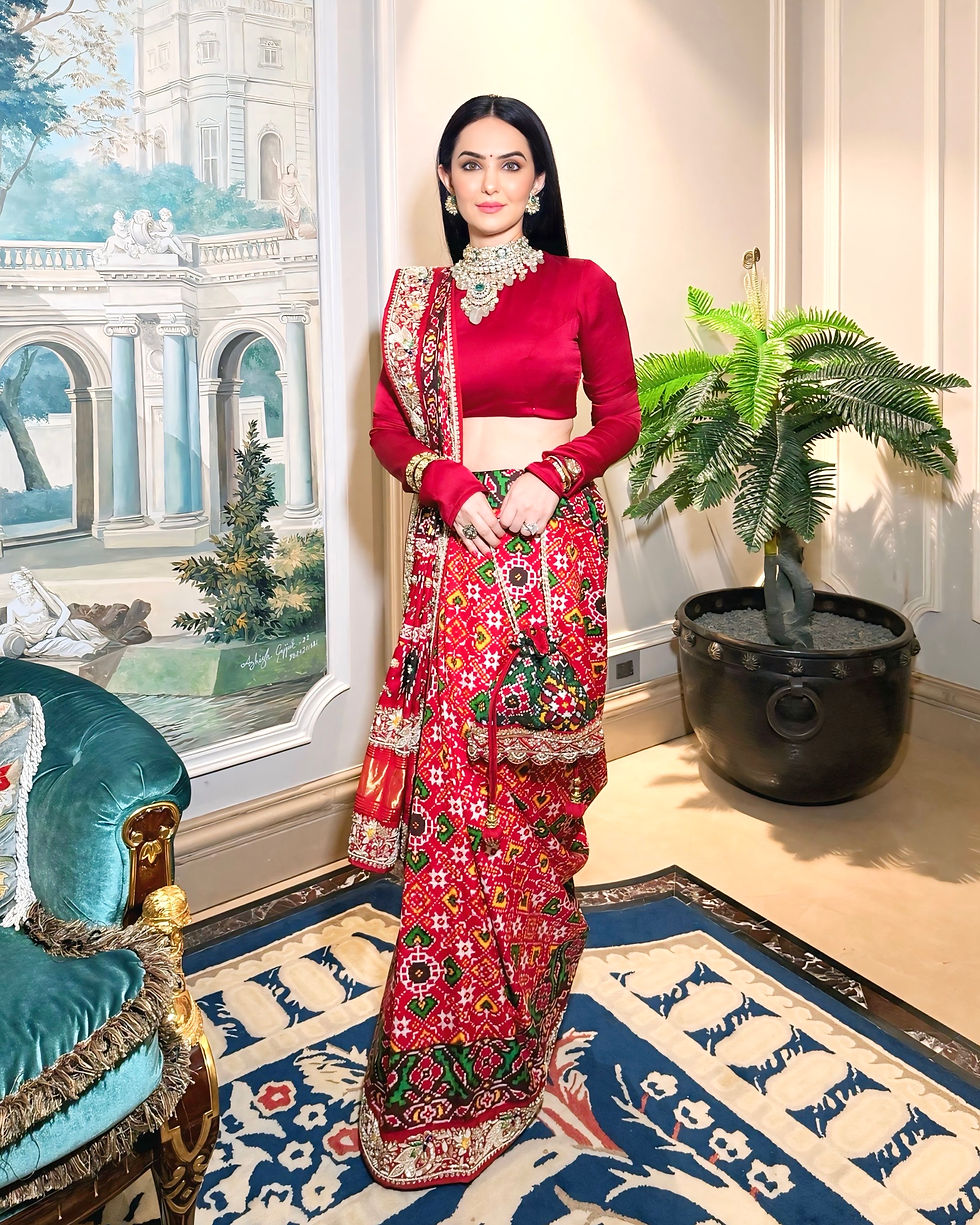
Sneha Agarwal did not set out with a fixed plan to become a luxury hotelier. With an academic background in Economics and Marketing, she was drawn to understanding markets, consumer behavior, and branding. Her entry into hospitality happened gradually, shaped by exposure to the hotel business and a deep interest in people and spaces. Over time she began to see that a hotel is far more than a commercial property. It carries emotion, memory, and human connection. Hospitality shifted from being a professional choice to something more personal, almost a calling that stayed with her.
As Director of The Hillock Hotels and Founder of Collective Hotels, she believes that the hospitality business is built on human energy. Luxury hospitality, in her view, is not about marble floors or grand lobbies alone. It is about warmth, comfort, and attention that guests remember long after checkout. “Hotels are not just businesses, they are emotional spaces,” she says, describing how every detail from lighting to service tone shapes the guest experience. Her work in the Indian luxury hotel segment revolves around crafting refined yet personal stays that balance comfort with character.
Early in her career, Sneha admits she made the mistake many founders make. She tried to handle too much herself. The hospitality industry depends heavily on teams, and without trust, growth slows down. She learned that delegation is not weakness but wisdom. By building reliable systems and allowing managers to take ownership, she reduced burnout and saw stronger results. Mistakes did happen, and some were costly in time and energy. Still, she believes that adapting quickly prevents the same error from repeating. Growth in the hotel industry is rarely linear.
Consistency matters more than speed. That is one lesson she often repeats to young professionals entering hosSneha Agarwal did not set out with a fixed plan to become a luxury hotelier. With an academic background in Economics and Marketing, she was drawn to understanding markets, consumer behavior, and branding. Her entry into hospitality happened gradually, shaped by exposure to the hotel business and a deep interest in people and spaces. Over time she began to see that a hotel is far more than a commercial property. It carries emotion, memory, and human connection. Hospitality shifted from being a professional choice to something more personal, almost a calling that stayed with her.
As Director of The Hillock Hotels and Founder of Collective Hotels, she believes that the hospitality business is built on human energy. Luxury hospitality, in her view, is not about marble floors or grand lobbies alone. It is about warmth, comfort, and attention that guests remember long after checkout. “Hotels are not just businesses, they are emotional spaces,” she says, describing how every detail from lighting to service tone shapes the guest experience. Her work in the Indian luxury hotel segment revolves around crafting refined yet personal stays that balance comfort with character.
Early in her career, Sneha admits she made the mistake many founders make. She tried to handle too much herself. The hospitality industry depends heavily on teams, and without trust, growth slows down. She learned that delegation is not weakness but wisdom. By building reliable systems and allowing managers to take ownership, she reduced burnout and saw stronger results. Mistakes did happen, and some were costly in time and energy. Still, she believes that adapting quickly prevents the same error from repeating. Growth in the hotel industry is rarely linear.
pitality management. In a sector where reputation defines success, short term gains rarely last. Relationships carry more weight than transactions. Guests remember how they were treated during small inconveniences, not just during grand welcomes. For a luxury hotel brand, credibility builds quietly through repeated good service. In difficult moments, calm conduct shapes long term trust.
Family backing played a strong part in her journey. She speaks about emotional stability as something many entrepreneurs overlook. While financial investment is useful, she feels that reassurance and patience from loved ones make a deeper difference. “Emotional backing is often more valuable than financial help,” she shares. Families who allow space for trial and error give young founders room to mature. In business, especially hospitality entrepreneurship, pressure without understanding can shake confidence.
Resources at the beginning were limited. Sneha does not believe anyone ever feels fully ready. What carried her forward was clarity about the kind of hotel experience she wanted to build. Rather than waiting for perfect conditions, she focused on gradual growth. Resourcefulness, careful budgeting, and learning on the go shaped the early years of Collective Hotels. The luxury hotel market in India is competitive, yet she chose to focus on authenticity over scale.
Balancing personal life with expanding hotel operations tested her resolve. During phases of rapid growth, time felt divided. She began to redefine balance not as equal hours but as full presence in whichever role she was playing at that moment. That shift changed her rhythm and reduced internal conflict.
Today her hotels are known for thoughtful luxury rooted in respect. “Master the fundamentals and stay grounded,” she advises. For her, true luxury hospitality begins with how people are treated, not just how rooms are designed.


Comments